5pm Friday, June 26 - at the Community Library in Ketchum,
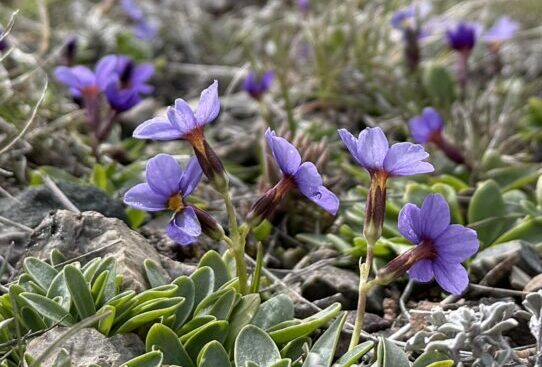
Chasing the Ghost of Mrs. Brodhead: Cusick’s Primrose and Rare Plant Biogeography in Central Idaho.
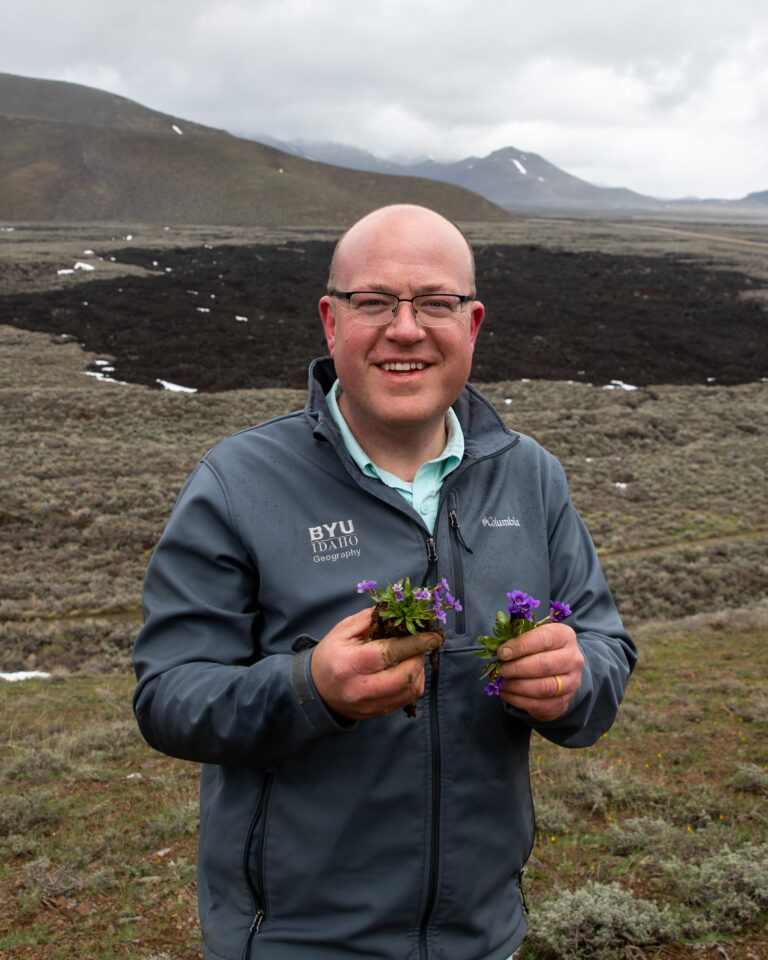
presented by David R. Burchfield, PhD
In 1892, Wood River Valley pioneer and botanist Eliza Avery Brodhead collected an uncommon spring-blooming primrose near Ketchum and Bayhorse, but in the intervening 134 years, those populations have gone unnoticed or have perhaps even disappeared. This talk follows a bio-geographer’s slightly obsessive search for Mrs. Brodhead’s enigmatic primroses and shows how local knowledge, citizen science, and modern mapping technologies can help document and protect overlooked plant populations in central Idaho.
David R. Burchfield, PhDis a professor at Brigham Young University–Idaho, where he teaches geographic information science, remote sensing, and physical geography. As a biogeographer, he uses spatial data and field observations to better understand the living landscapes of the Intermountain West. He lives in Rexburg with his wife and three young children and enjoys backpacking, exploring Idaho’s mountains, and photographing its charismatic flora and wild places.
5:30pm Friday, July 10 - at the Stanley Museum
Sharing the Sawtooths: Wildlife, Recreation, and a path to Coexistence
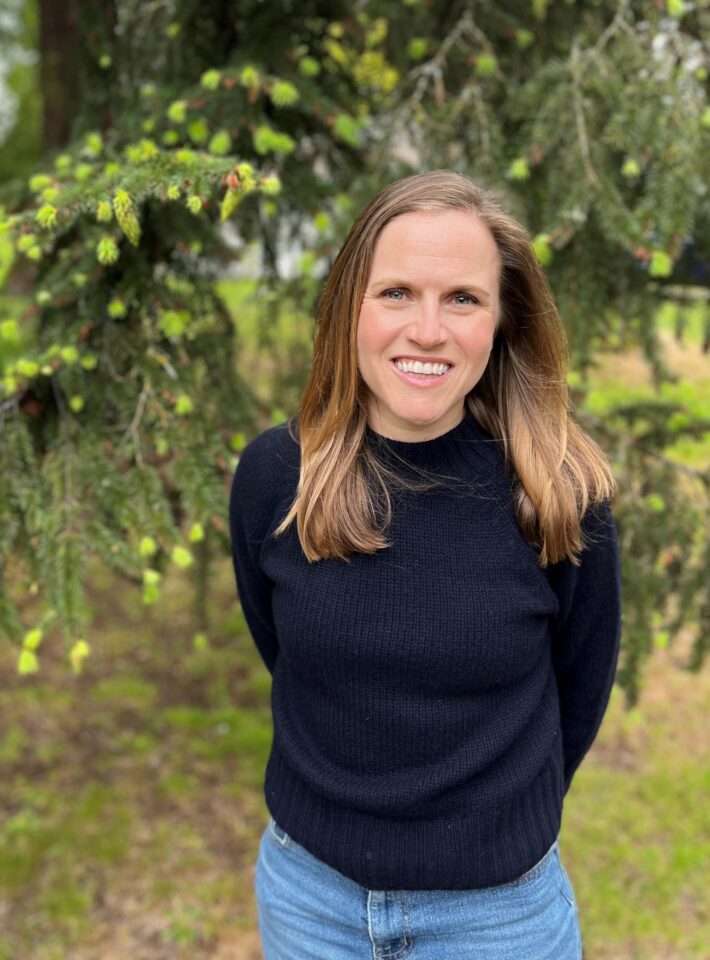
presented by Dr. Taylor Ganz, Science Lead for the Nature Conservancy in Idaho
Outdoor recreation is a defining part of life in Idaho—but what does it mean for the wildlife that call this place home? Taylor Ganz explores the science behind how activities like hiking and mountain biking impact wildlife and highlights simple ways we can help keep these landscapes wild while enjoying them.
Dr. Taylor Ganz leads the science program for The Nature Conservancy in Idaho, where she applies science to advance conservation across the West. An ecologist by training, her research focuses on how human activities influence wildlife, particularly in the Rocky Mountains and Pacific Northwest. She has conducted research with the U.S. Geological Survey, U.S. Forest Service, Washington Department of Fish and Wildlife, and University of Washington, where she earned her Ph.D. in environmental science. Taylor began her career as an outdoor guide and educator, an experience that continues to shape her commitment to connecting people with wild places and using them responsibly. She lives in Hailey, Idaho with her family and enjoys trail running, skiing, and fly-fishing throughout the Sawtooth and Wood River Valleys.
5:30pm Friday, July 24 - at the Stanley Museum
Back to the Moon: The Artemis Generation
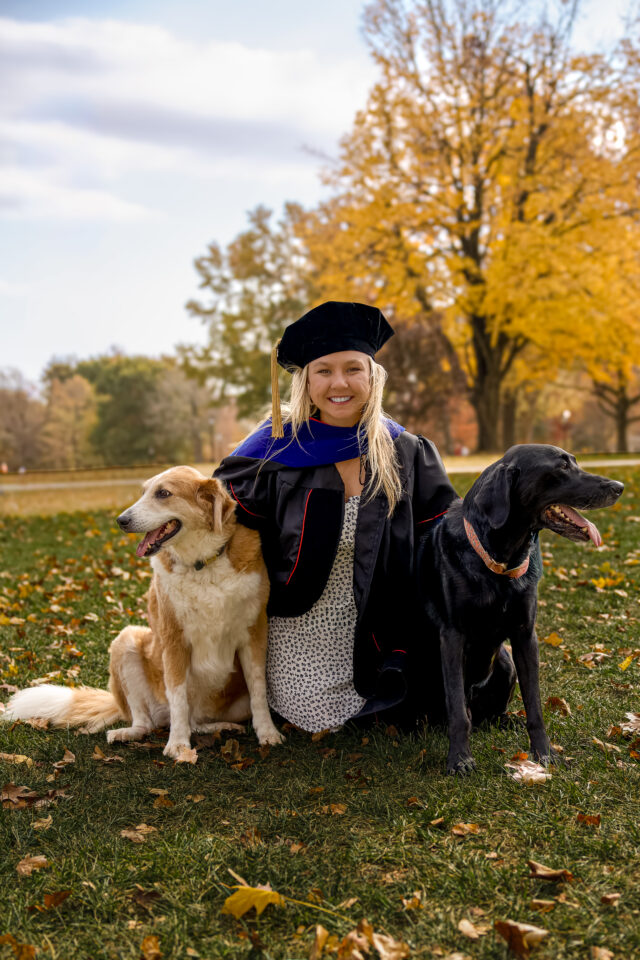
presented by Dr. Racine D. Cleveland
Discover how the Artemis program is opening a new chapter in human spaceflight. From powerful new rockets and lunar landers to the Gateway space station and future Mars missions, we’ll explore what comes next in humanity’s journey into space.
Racine (Ray-seen) Cleveland is a planetary scientist from Prague, Oklahoma, and a Postdoctoral Research Fellow at Boise State University. Her research uses satellite imagery, radar data, and geospatial analysis to understand how planetary surfaces evolve over time.
5:30pm Friday, August 7 - at the Stanley Museum
George Blackmon's Dreams for Central Idaho: Life and Mining from 1881-1936
presented by Erik J. Freeman
George Z. Blackmon (1854-1936) was born enslaved in Kentucky and became one of the first black settlers to central Idaho. He found his way to the White Cloud Mountains where he lived and mined for over fifty years. This presentation asks why he, a former slave, chose central Idaho as his home and explores the story of one of central Idaho’s most interesting early settlers.
Dr. Erik J. Freeman is an assistant professor of history at Idaho State University with a focus on the American West. At Idaho State, he teaches classes on the American West, Nineteenth-Century America, and Idaho History. His first book, A Radical Convergence: Latter-day Saints and their Utopian Socialist Origins, will be published with the University of Illinois Press in December 2026.
5:30pm Friday, August 28 - at the Stanley Museum
Dam Removal on the Lower Snake: lessons from Elwha, Condit and Klamath
presented by Lynda Mapes
Join journalist and author Lynda Mapes for a slide show and discussion about dam removal on the Lower Snake and what can be learned from the history and results from the dam removals in our region to date with a special focus on the Elwha, Condit, and Klamath removals, with a focus on key commonalities -- and differences.
Lynda V. Mapes is an author and journalist specializing in the natural history and environment of the Pacific Northwest, with a particular focus on Native tribes and cultures. Over the course of her 27-year career as a reporter at The Seattle Times she earned numerous awards, including twice winning the international 2019 and 2012 Kavli gold award for science journalism from the American Association for the Advancement of Science, the world’s largest professional science association. She and a team of journalists at the Seattle Times were finalists for the 2025 Pulitzer Prize for local reporting.
She has written seven books, including most recently The Trees are Speaking, Dispatches from the Salmon Forests just published by the University of Washington Press. She is the winner of the 2021 National Outdoor Book Award, and 2021 Washington State Book Award for non-fiction. She is an associate of the Harvard Forest, and vice president of the Northwest Science Writers Association. Lynda lives in Seattle with her husband Doug MacDonald and elegant black rescue cat Dusty.
This series is brought to you by:
The MacNichol Family, in honor of Roland MacNichol